Hormone-Friendly Juices + Foods Every Woman Should Add to Her Routine: 9 Powerful Choices for Better Balance
Hormones play a quiet yet powerful role in a woman’s everyday life. From energy levels and digestion to mood, sleep, skin, and cycles, they affect nearly everything. When hormones fall out of balance, the body often sends signals like fatigue, bloating, cravings, acne, or irregular periods.
The good news? Food can be one of the most effective tools for restoring balance. By choosing hormone-friendly juices + foods every woman should add to her routine, you can support your body naturally and gently, without extreme diets or complicated rules.
This article explores nourishing juices and whole foods that help stabilize blood sugar, support liver detoxification, reduce inflammation, and promote healthy estrogen and cortisol levels. These options are simple, delicious, and easy to incorporate into daily life.
Why Hormone Balance Starts With Nutrition
Hormones are chemical messengers made from the nutrients you consume. When your diet lacks fiber, healthy fats, or key micronutrients, hormone production and regulation can suffer.
A hormone-friendly eating routine helps:
Support estrogen metabolism
Reduce insulin spikes
Lower chronic inflammation
Improve gut health
Aid natural detox pathways
Juices and whole foods rich in antioxidants, minerals, and phytonutrients give your endocrine system what it needs to function smoothly.
Hormone-Friendly Juices Every Woman Should Drink
1. Green Detox Juice
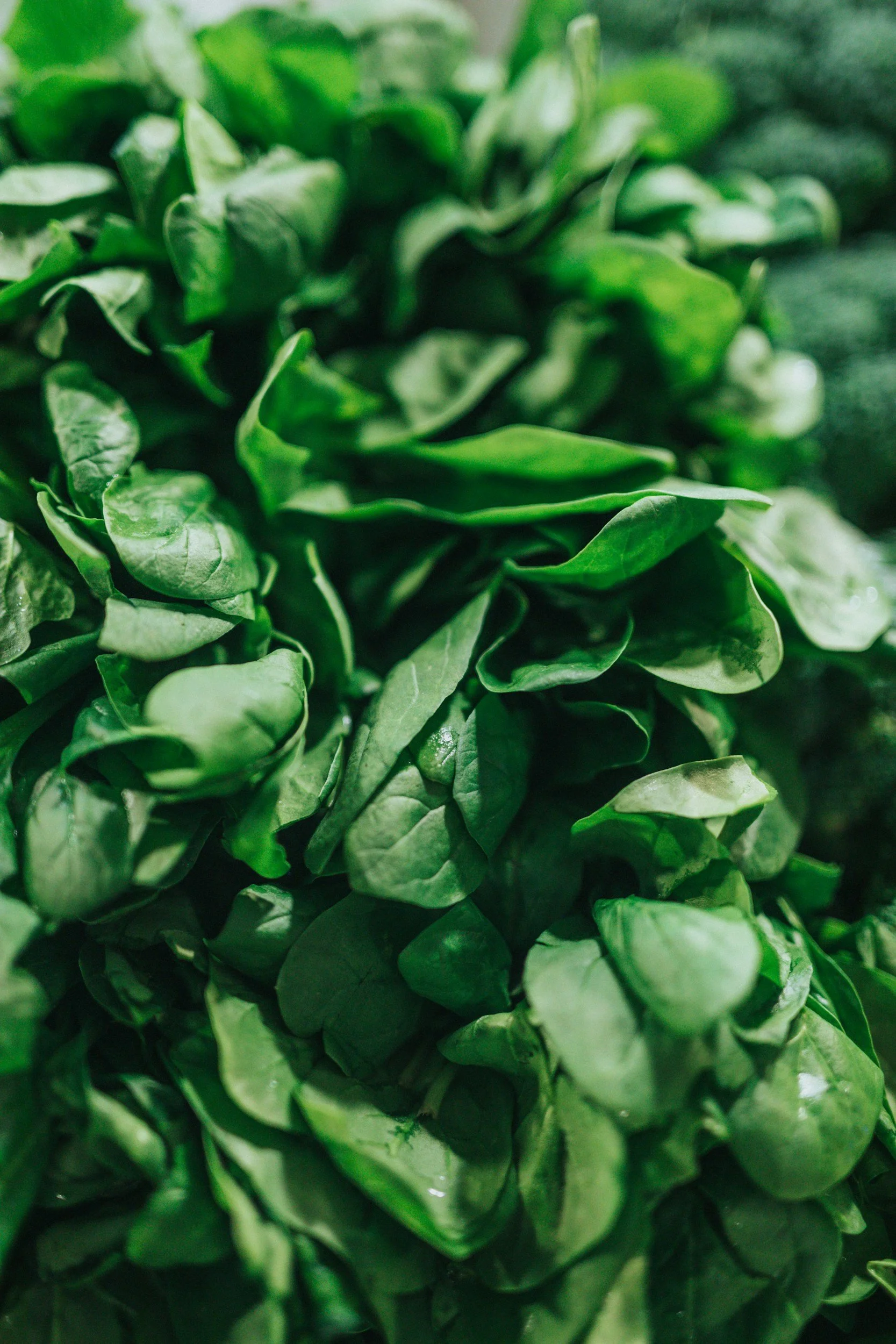
Green juices support liver health, which is essential for processing excess estrogen. Leafy greens are rich in chlorophyll, magnesium, and folate, nutrients linked to hormone regulation.
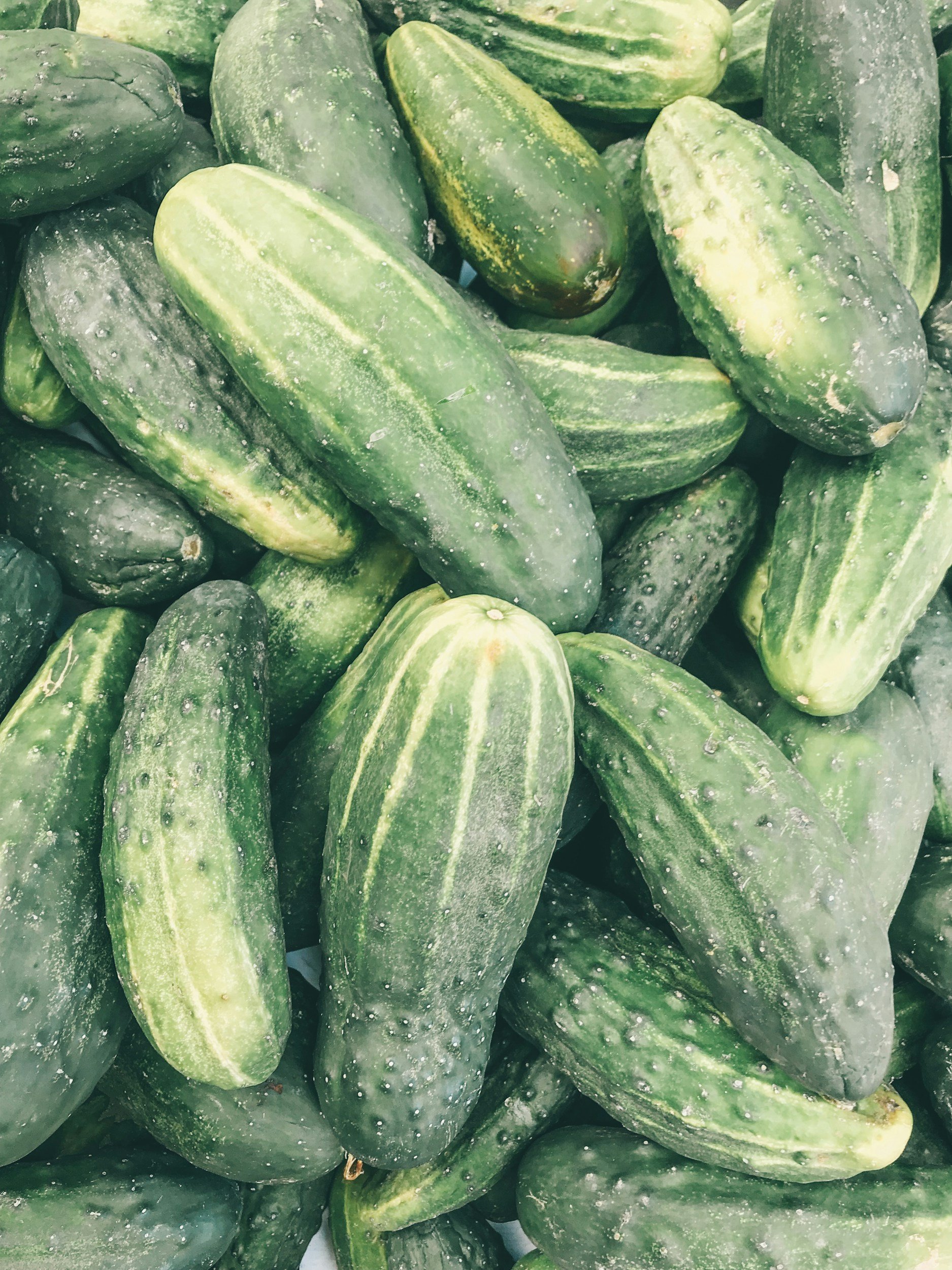
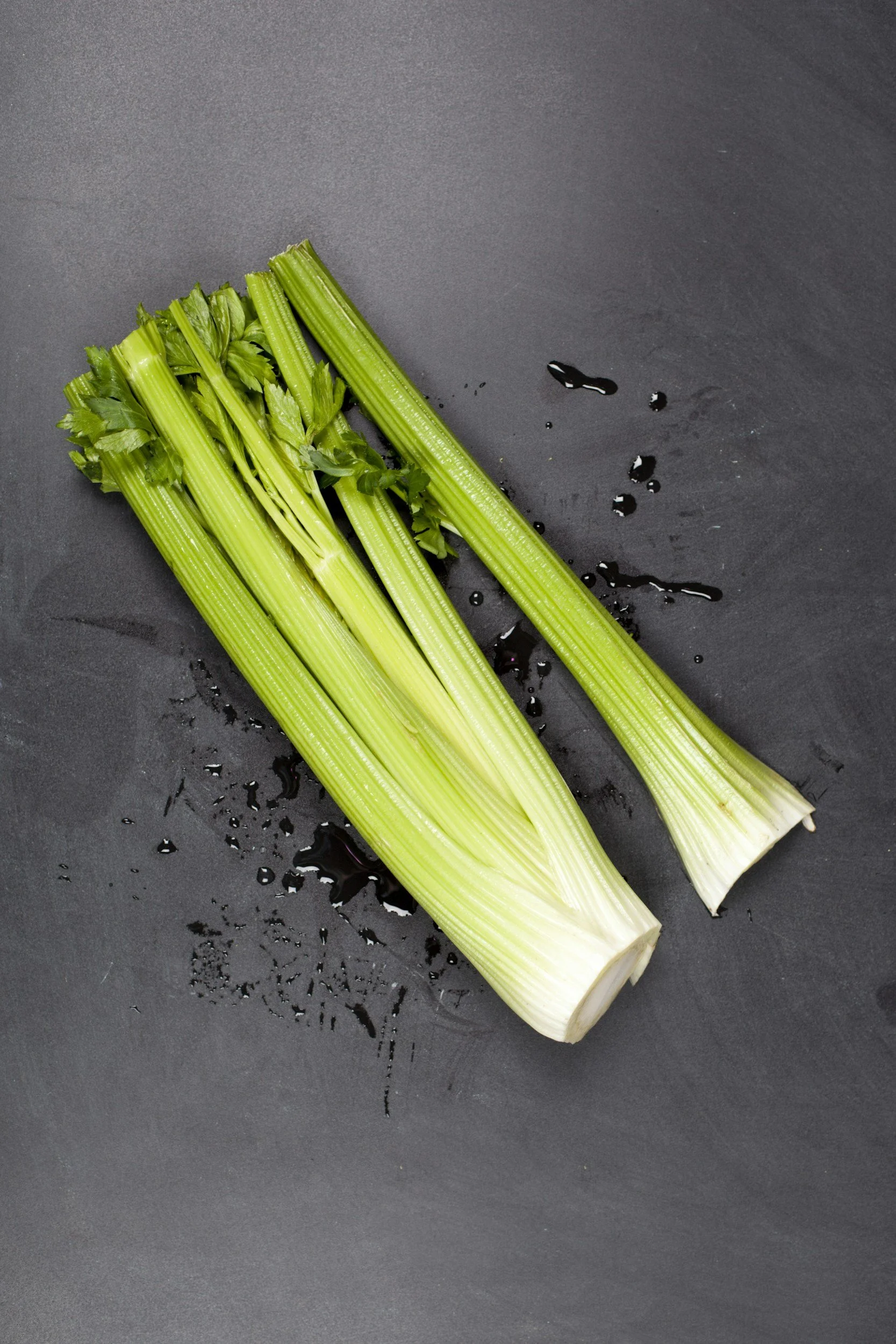
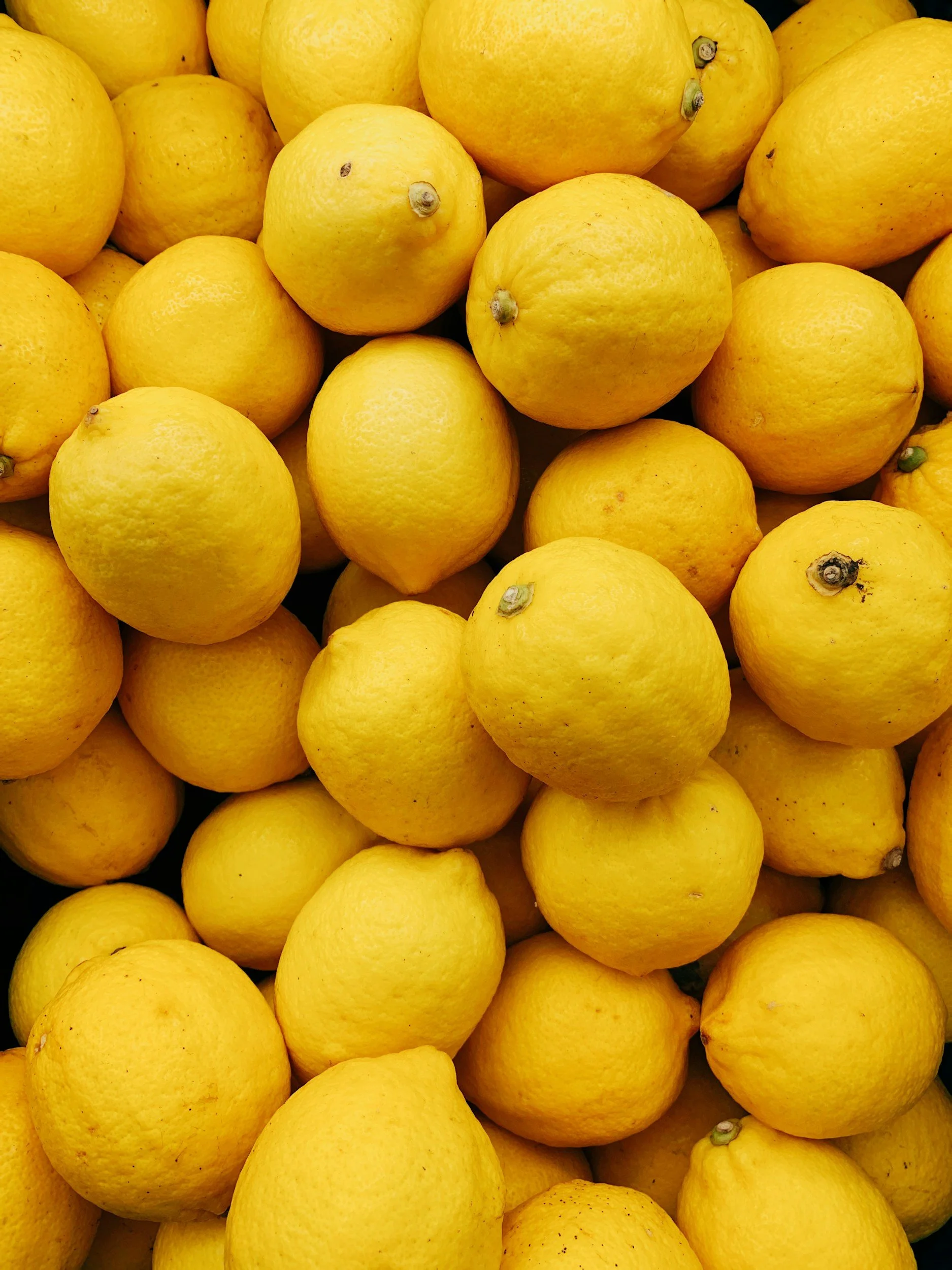
Best ingredients:
Spinach or kale
Cucumber
Celery
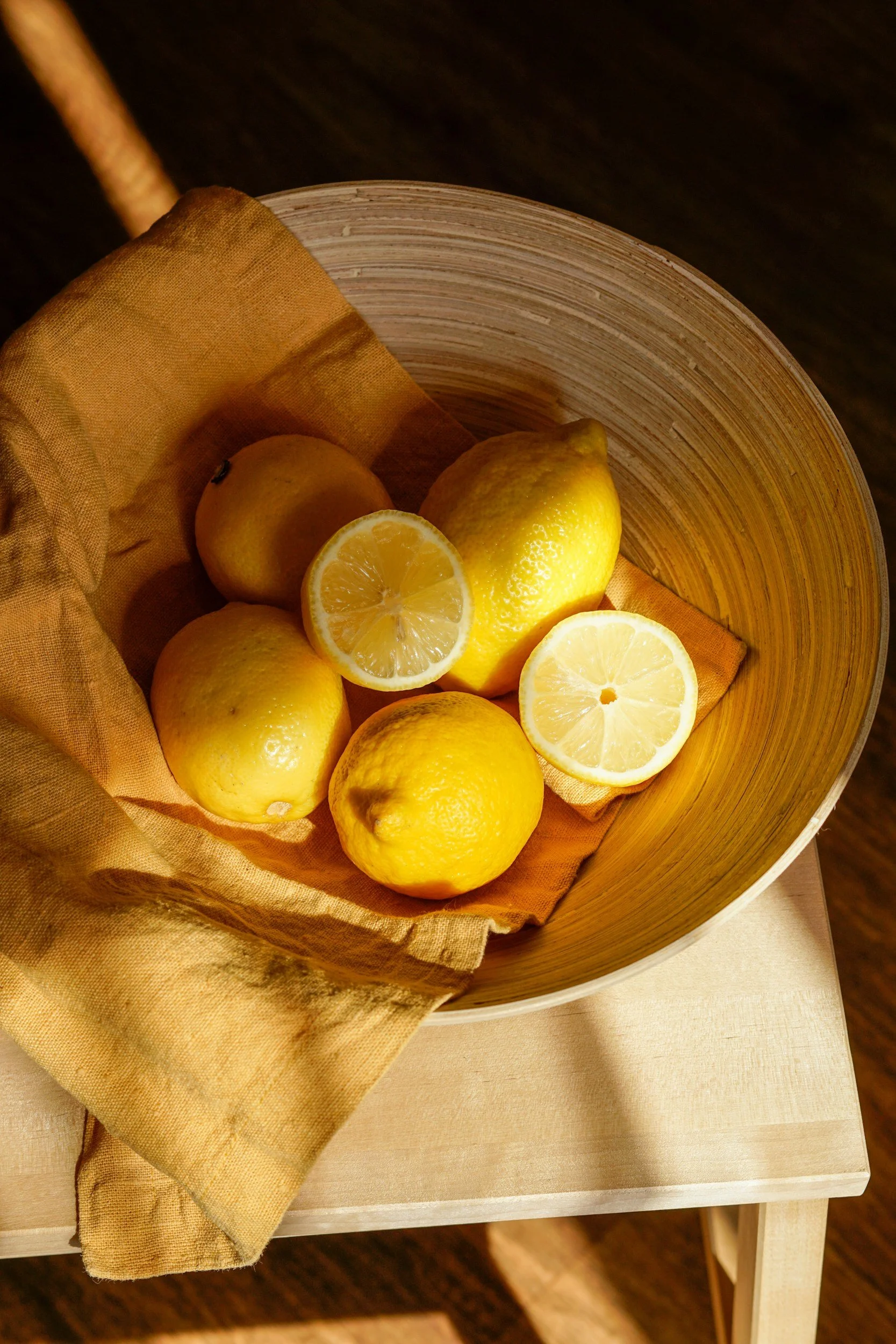
Lemon
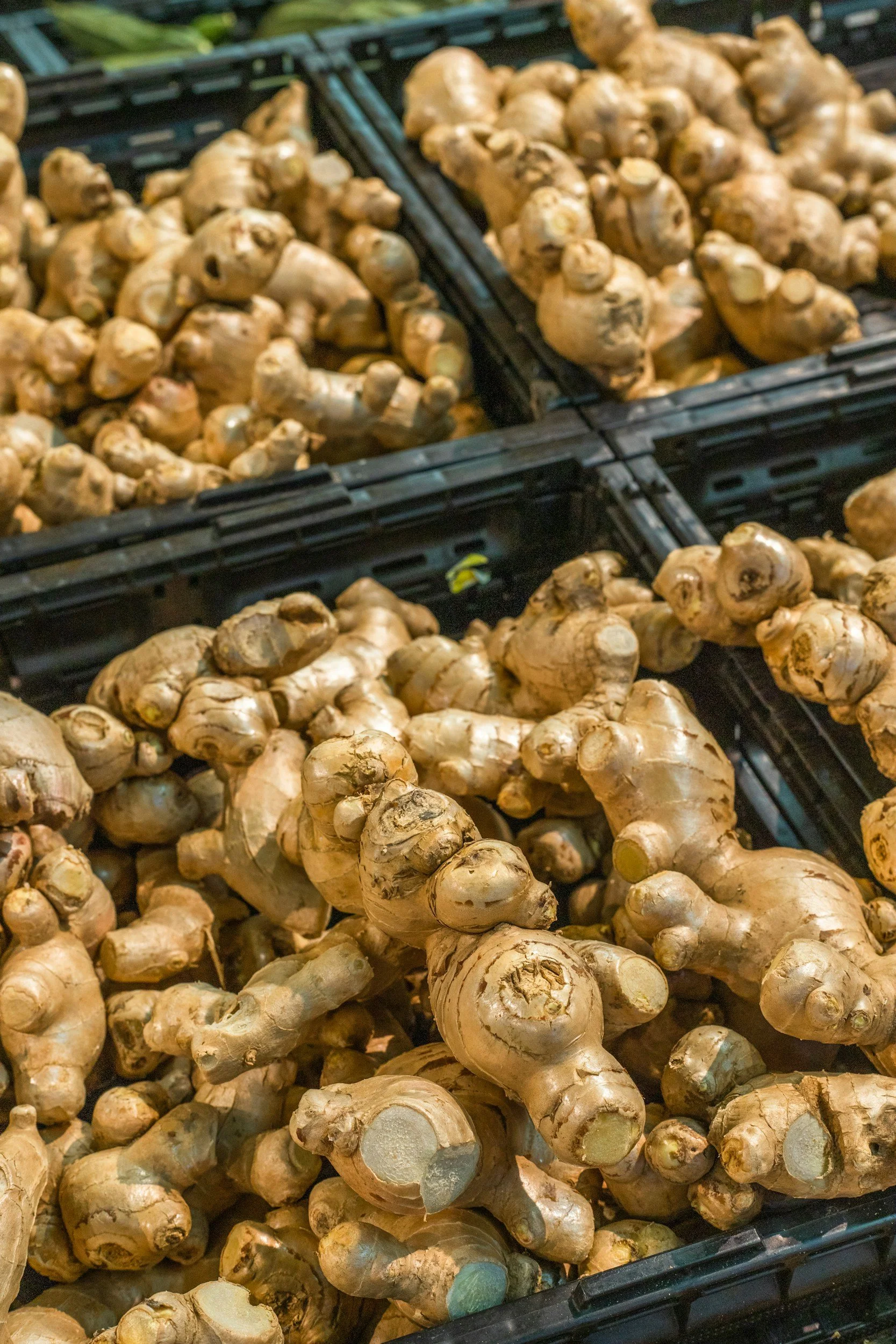
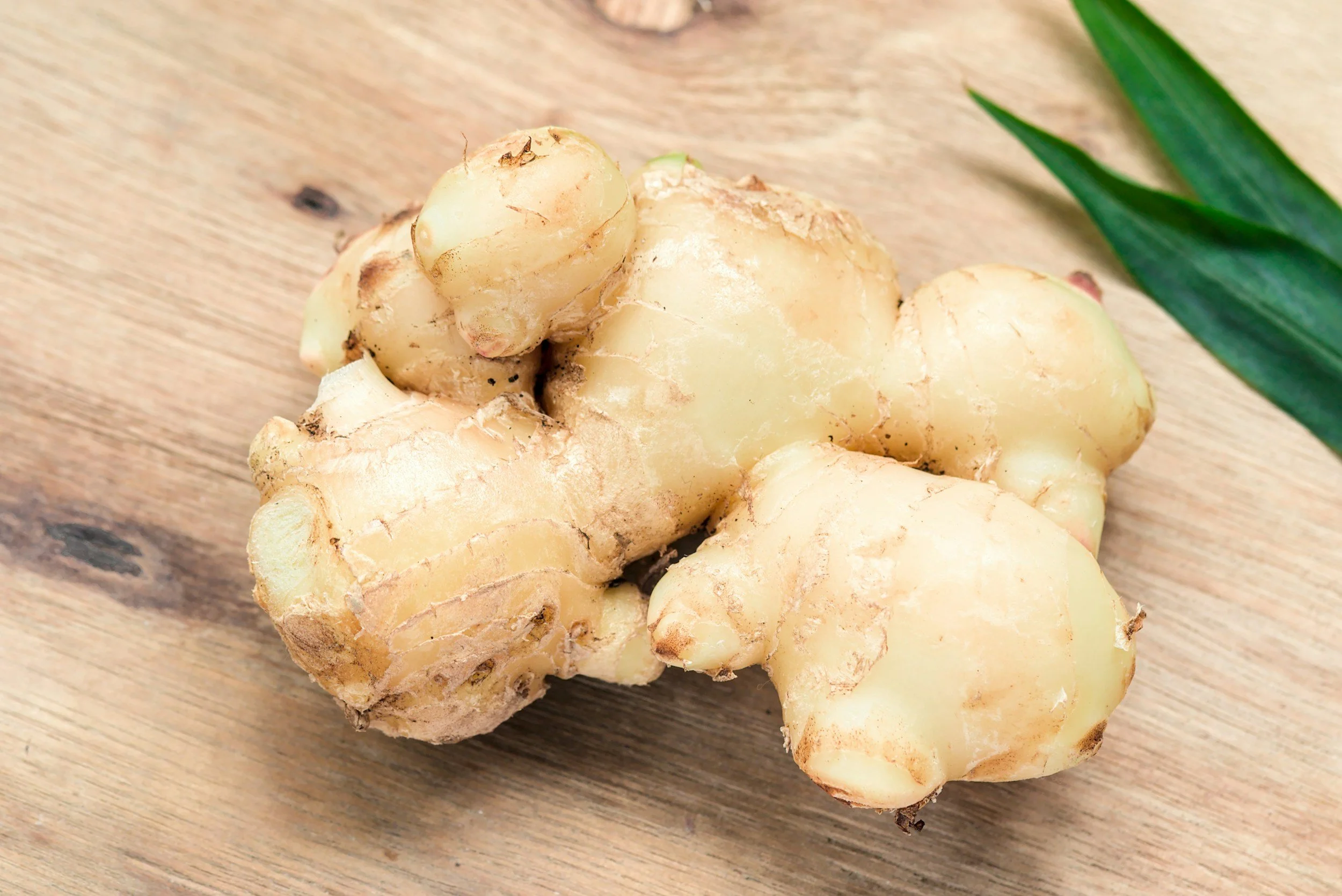
Ginger
Why it helps:
It reduces inflammation, supports estrogen detox, and improves digestion.
2. Beet & Berry Hormone Juice
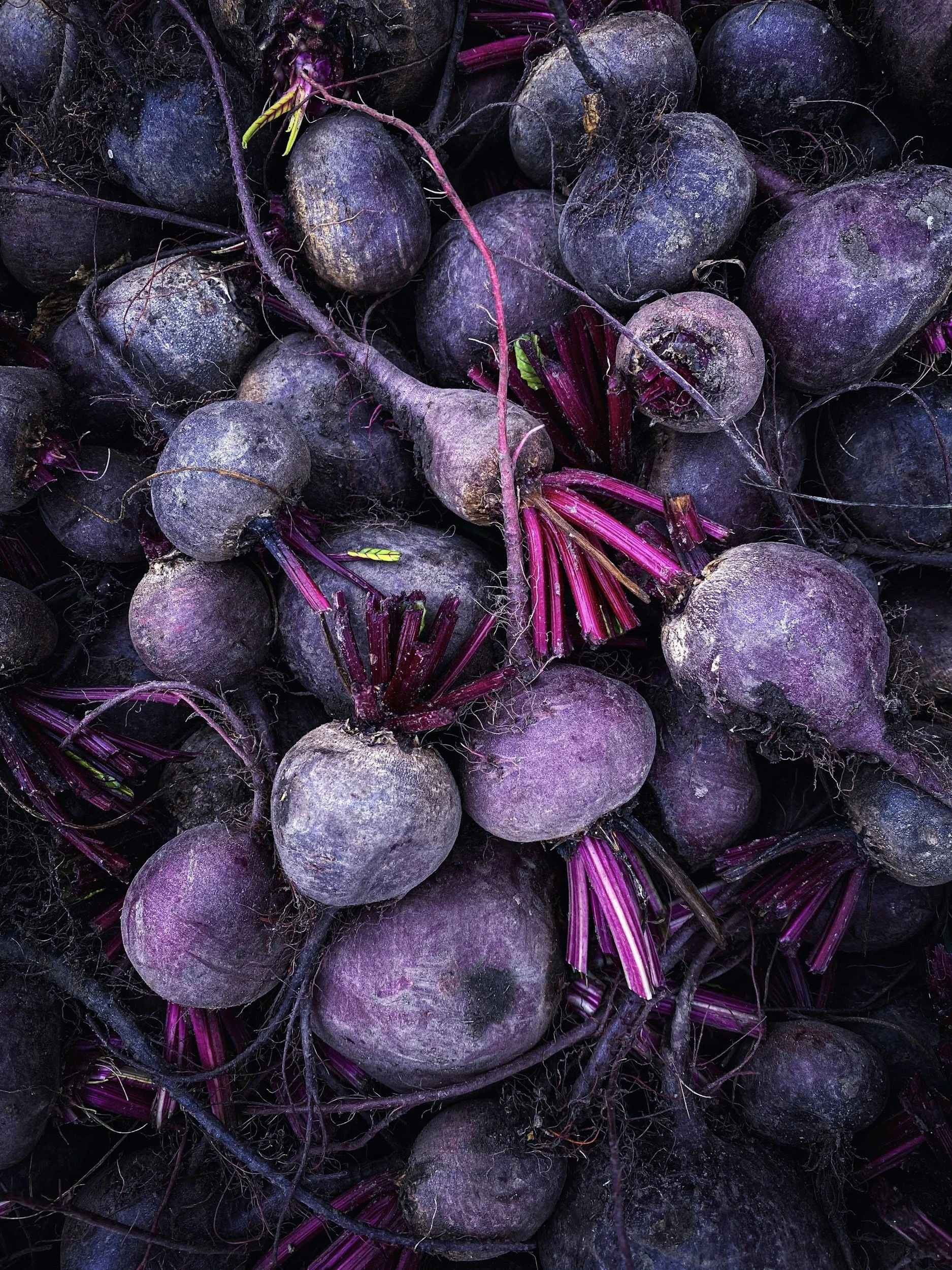
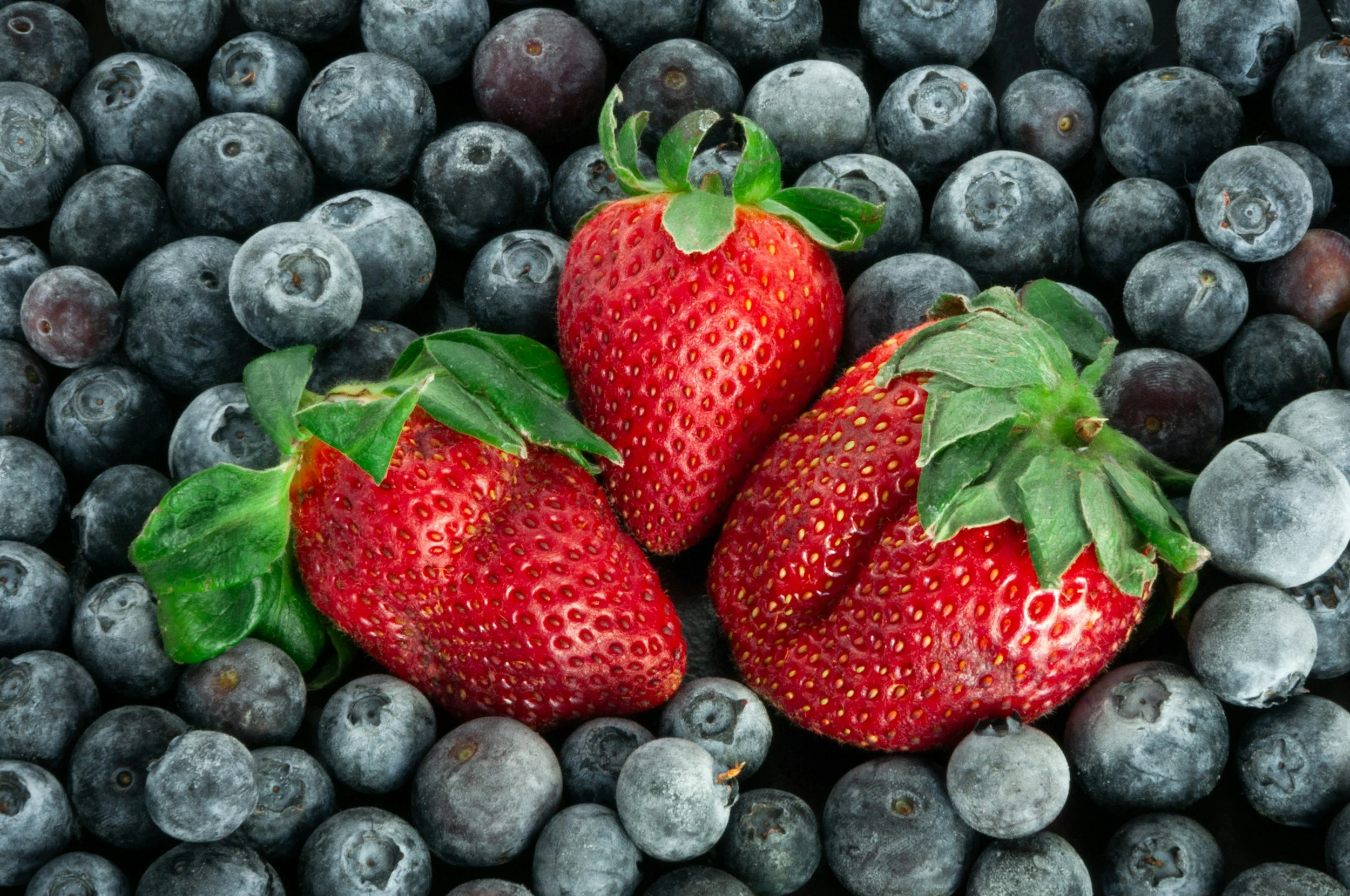
Beets improve blood flow and liver function, while berries provide antioxidants that protect hormone-producing glands.
Best ingredients:
Beets
Strawberries or blueberries
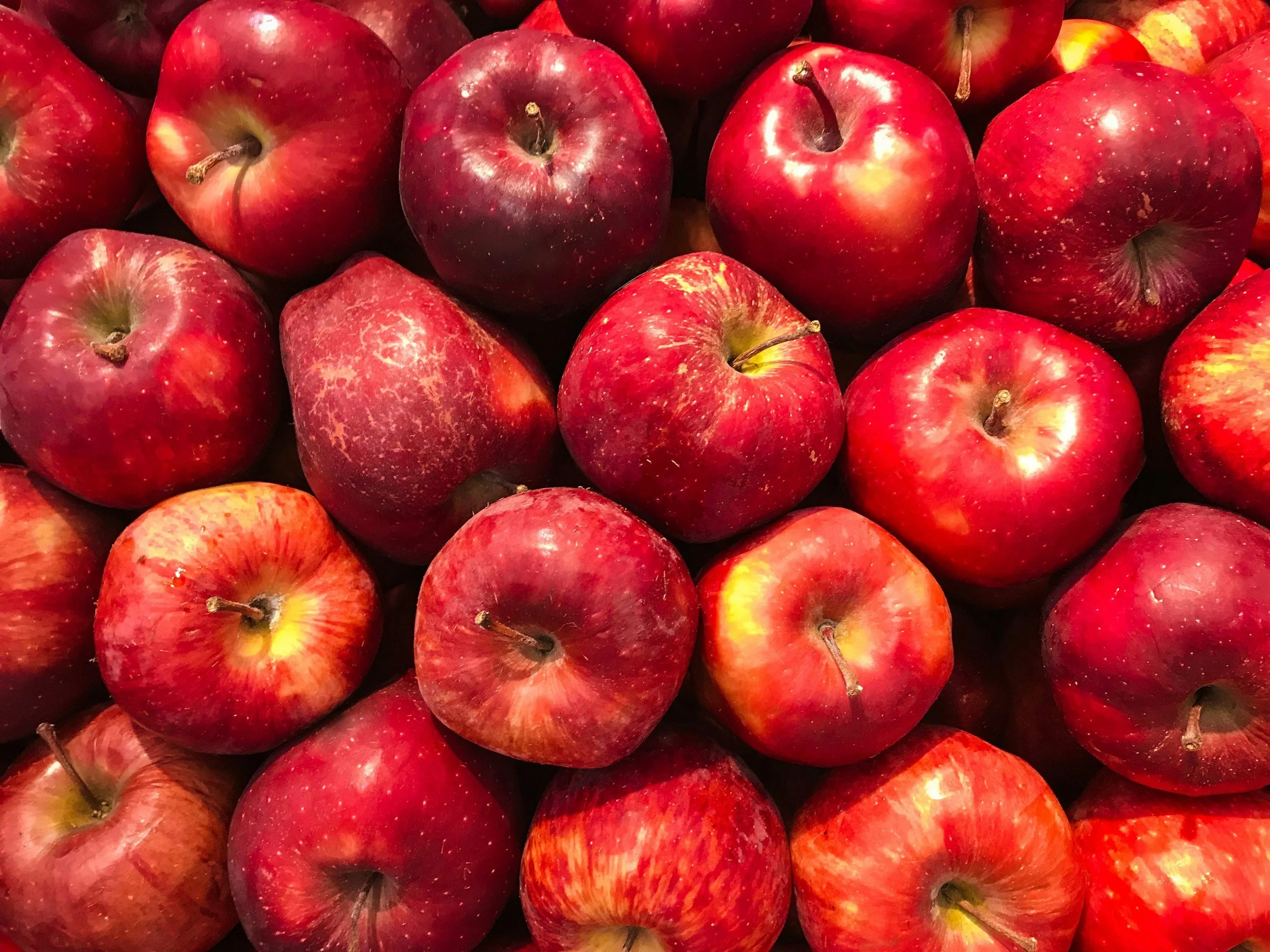
Apple
Lemon
Why it helps:
Supports estrogen balance and reduces PMS symptoms.
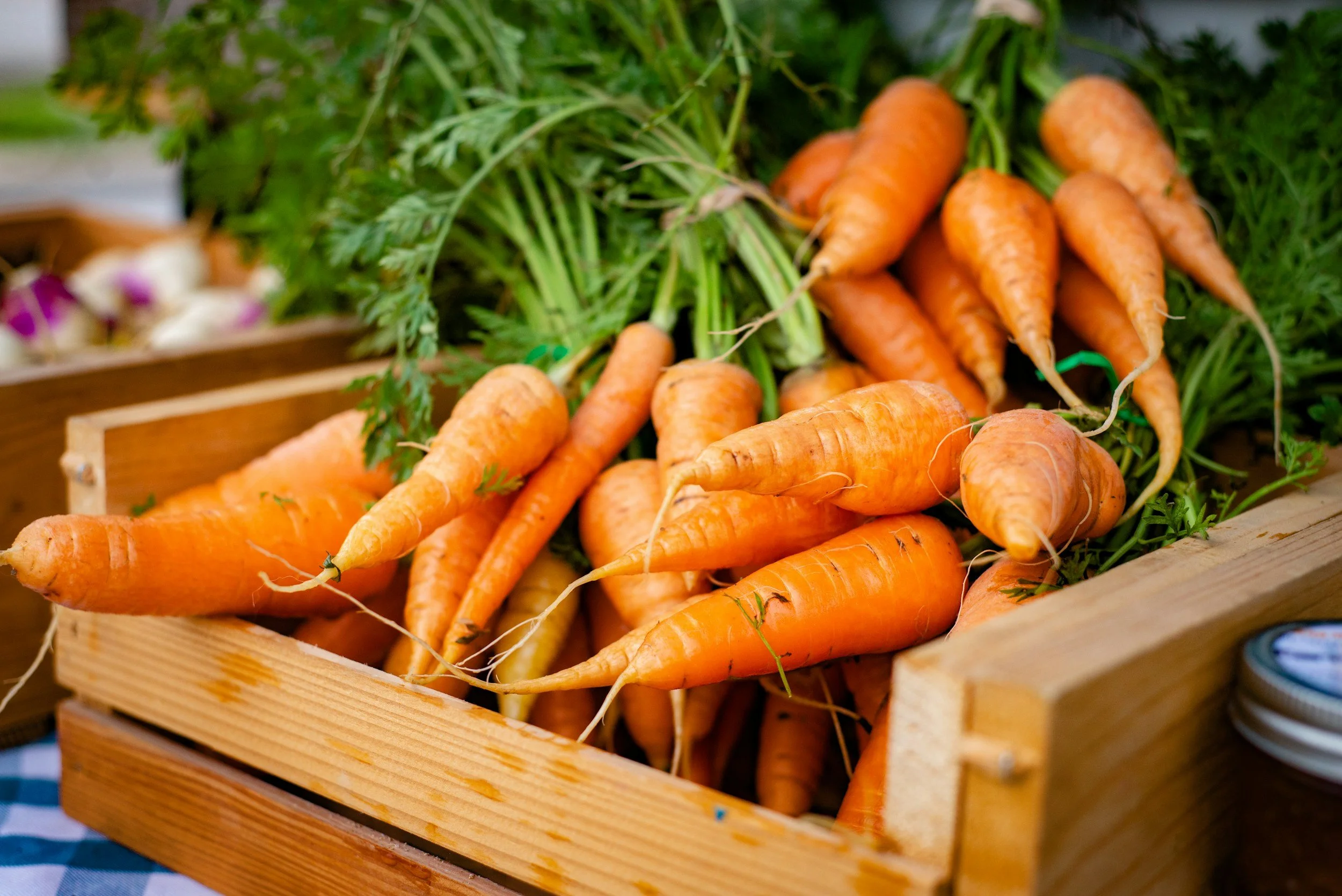
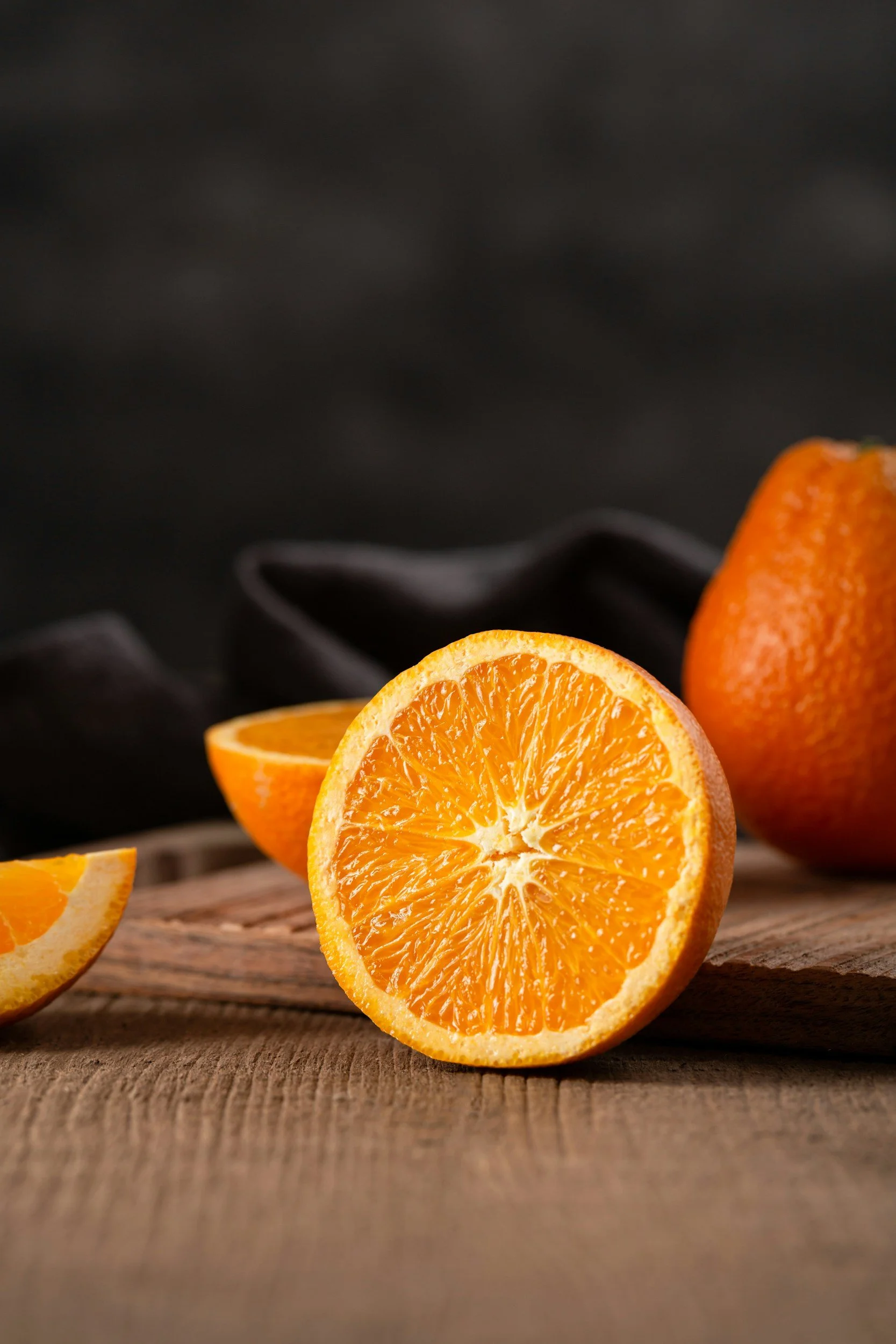
3. Carrot Orange Ginger Juice
Carrots contain compounds that help remove excess estrogen, while ginger calms inflammation and supports digestion.
Why it helps:
Promotes hormone detox and supports healthy skin and cycles.
Hormone-Friendly Foods Every Woman Should Add to Her Routine
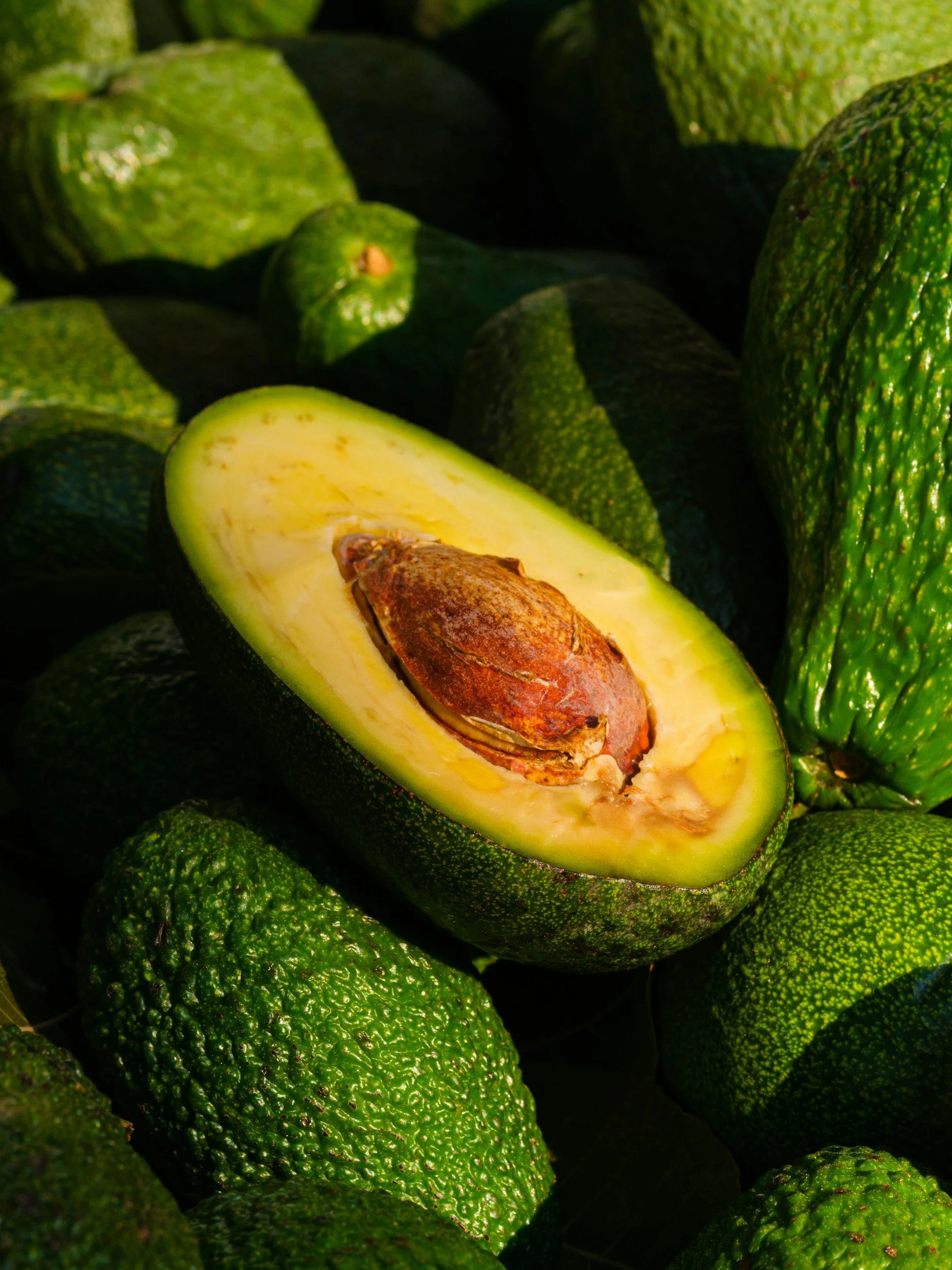
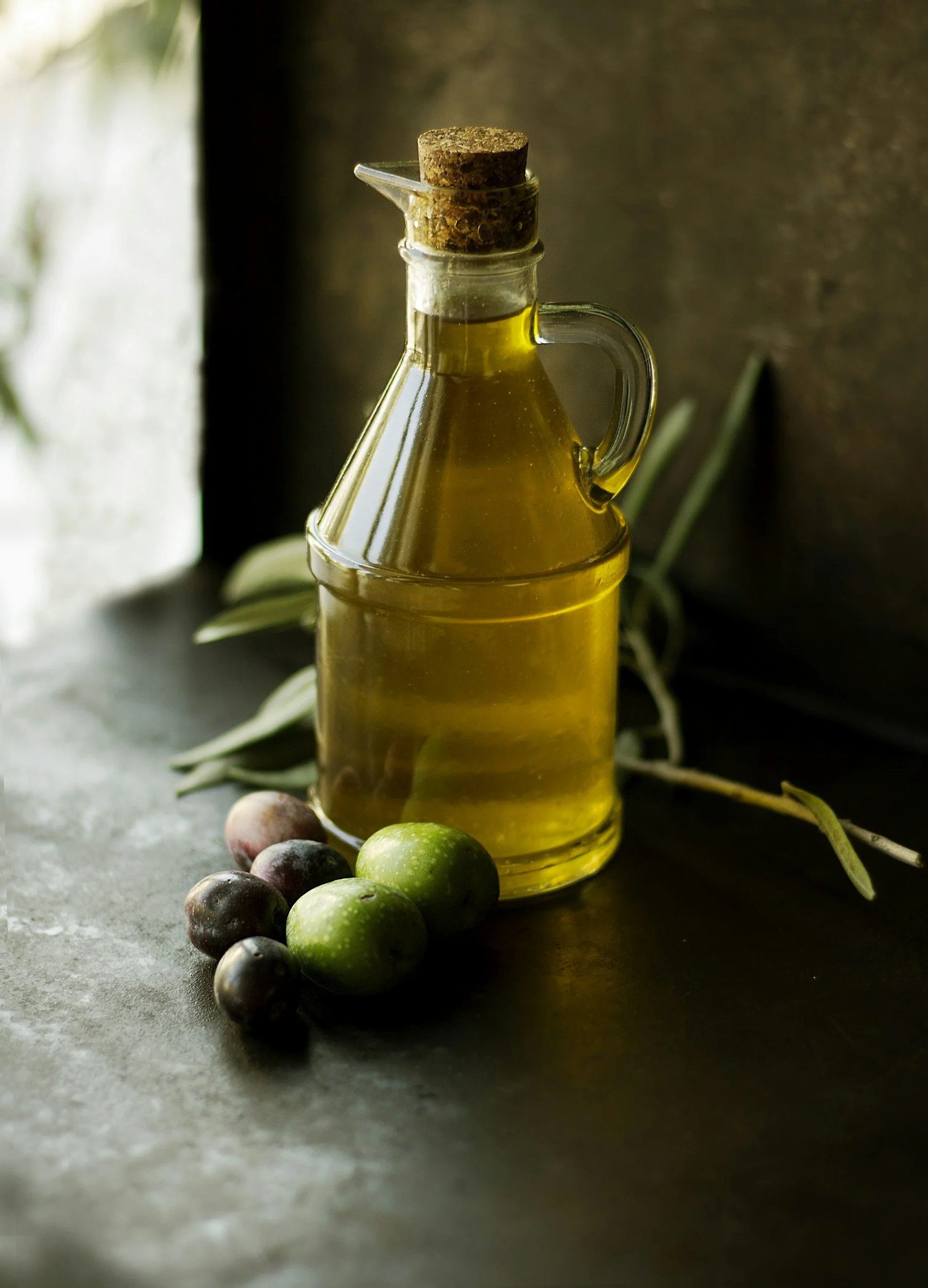
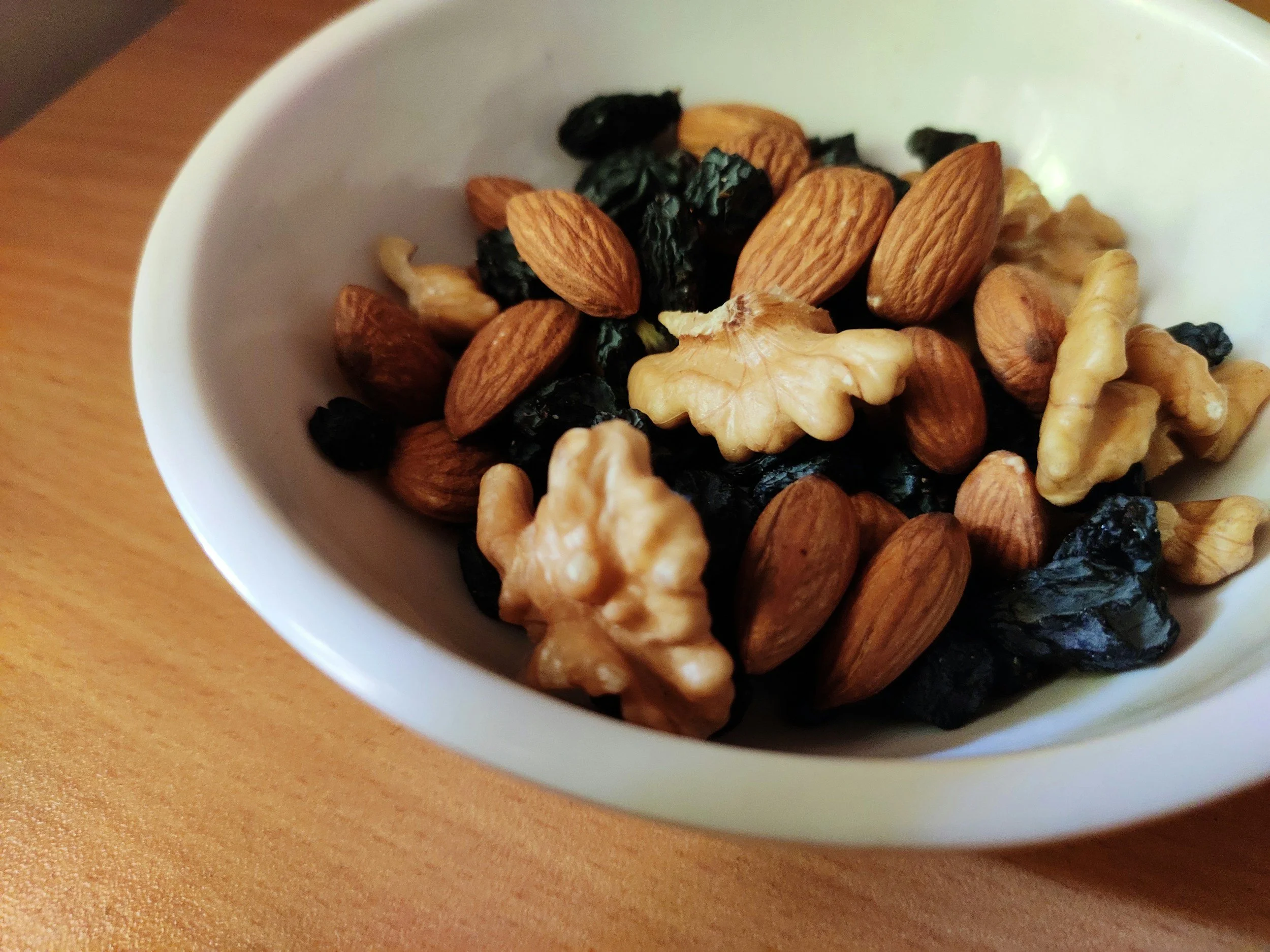
4. Healthy Fats (Avocados, Olive Oil, Nuts)
Hormones are made from fat. Without enough healthy fats, hormone production can decline.
Benefits
Supports estrogen and progesterone production
Improves satiety and blood sugar control
5. Cruciferous Vegetables
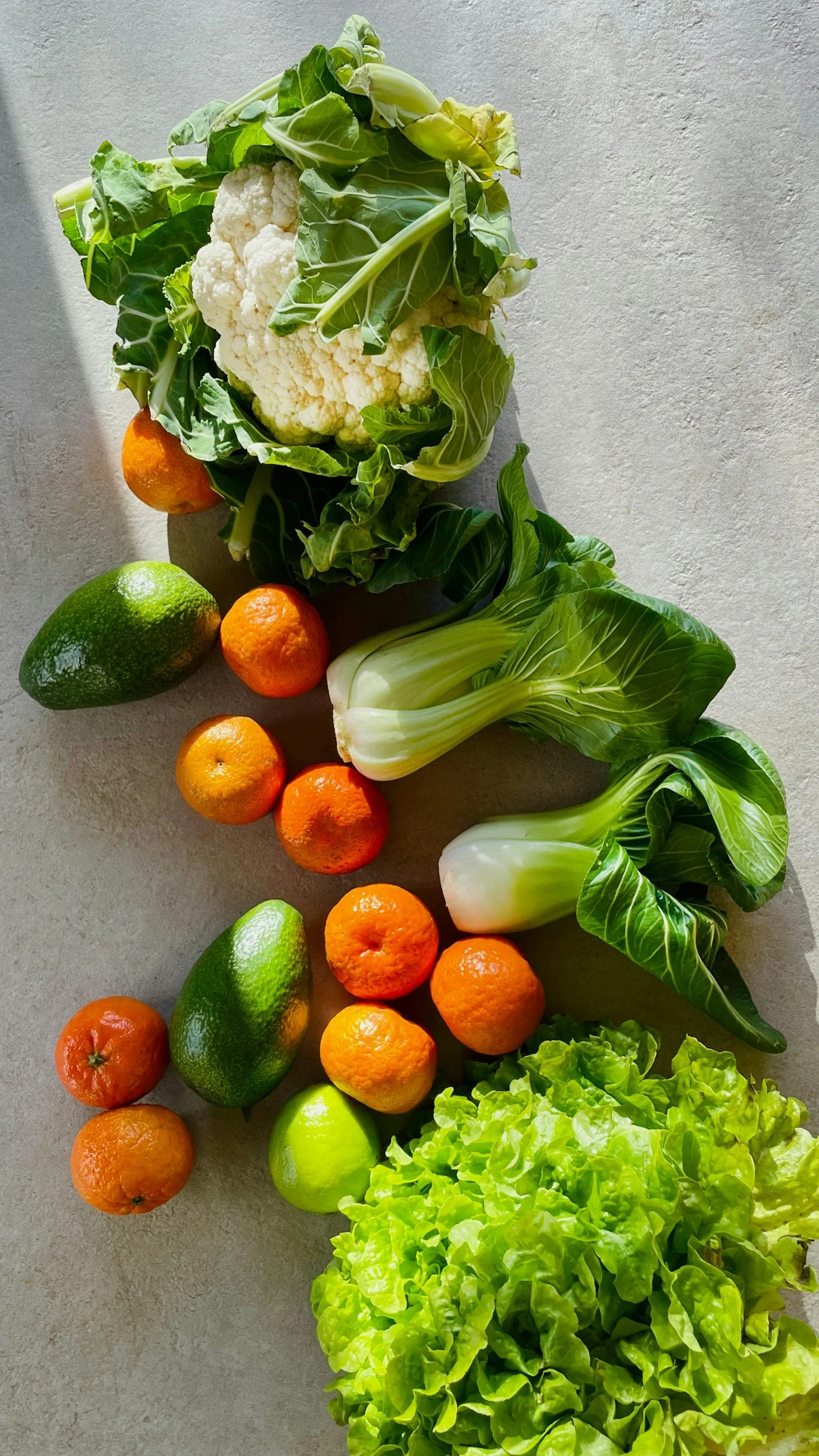
Vegetables like broccoli, cauliflower, and Brussels sprouts contain compounds that help the body break down estrogen safely.
Why they matter:
They reduce estrogen dominance and support liver detoxification.
6. Seeds for Cycle Support
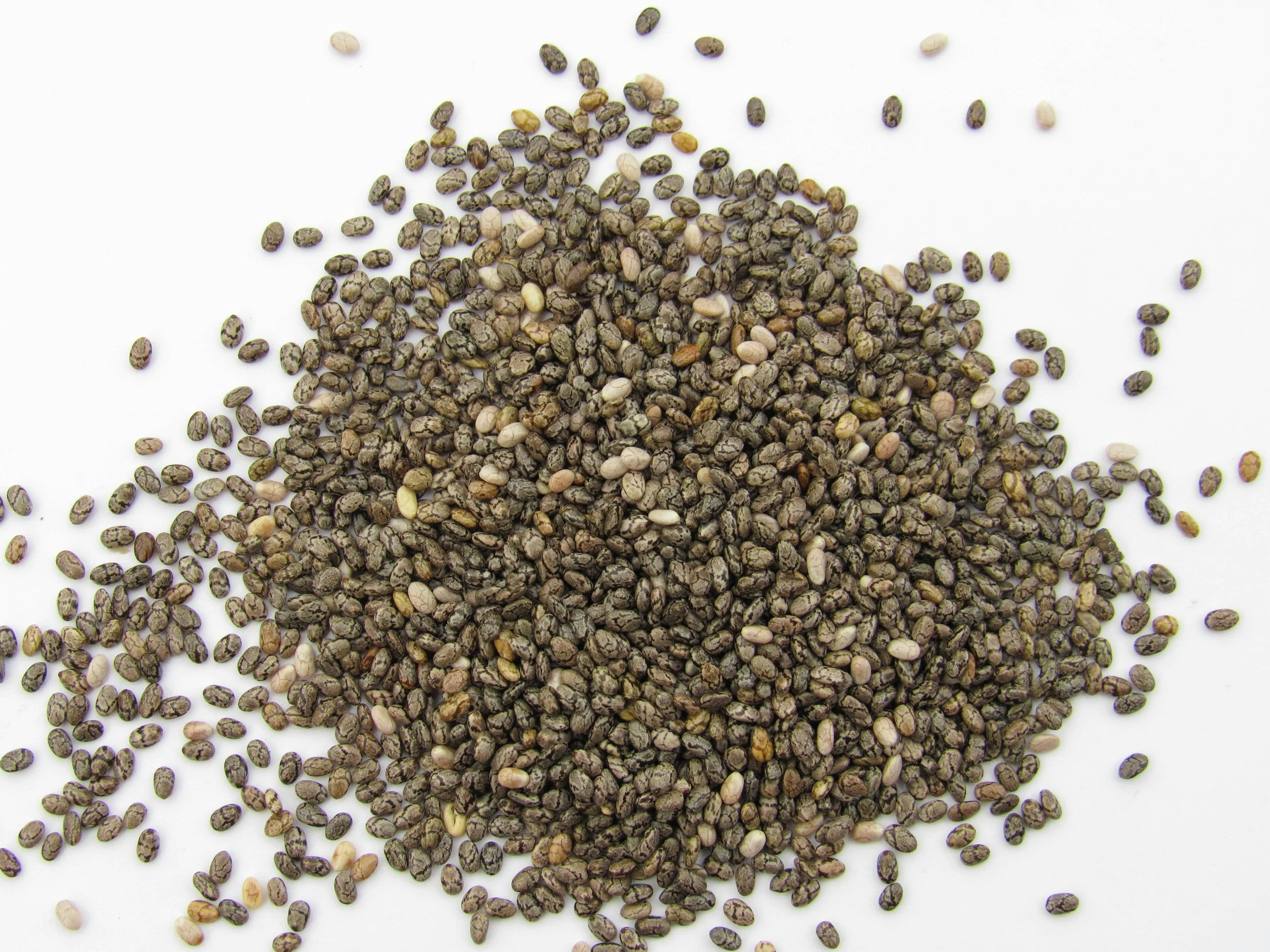
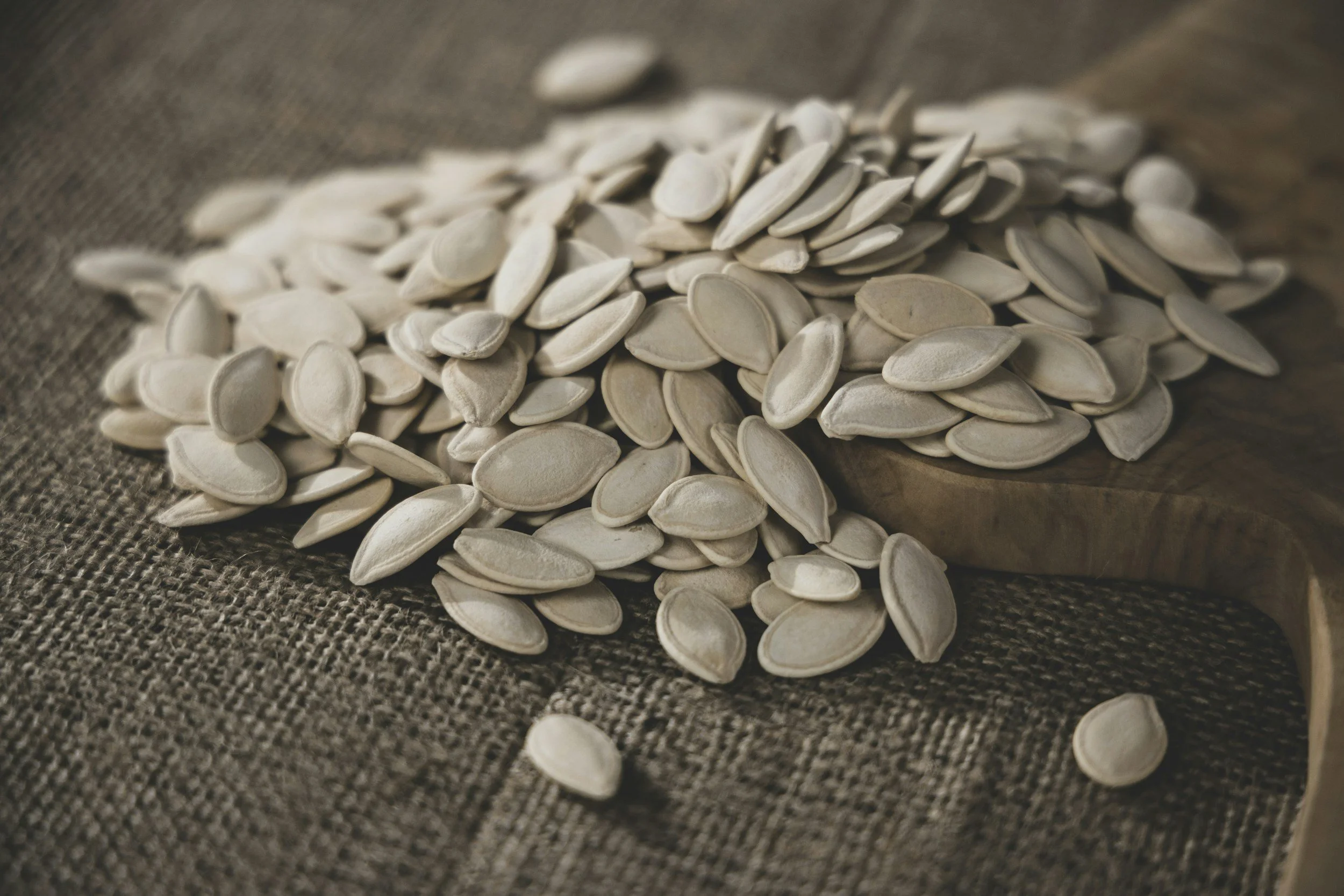
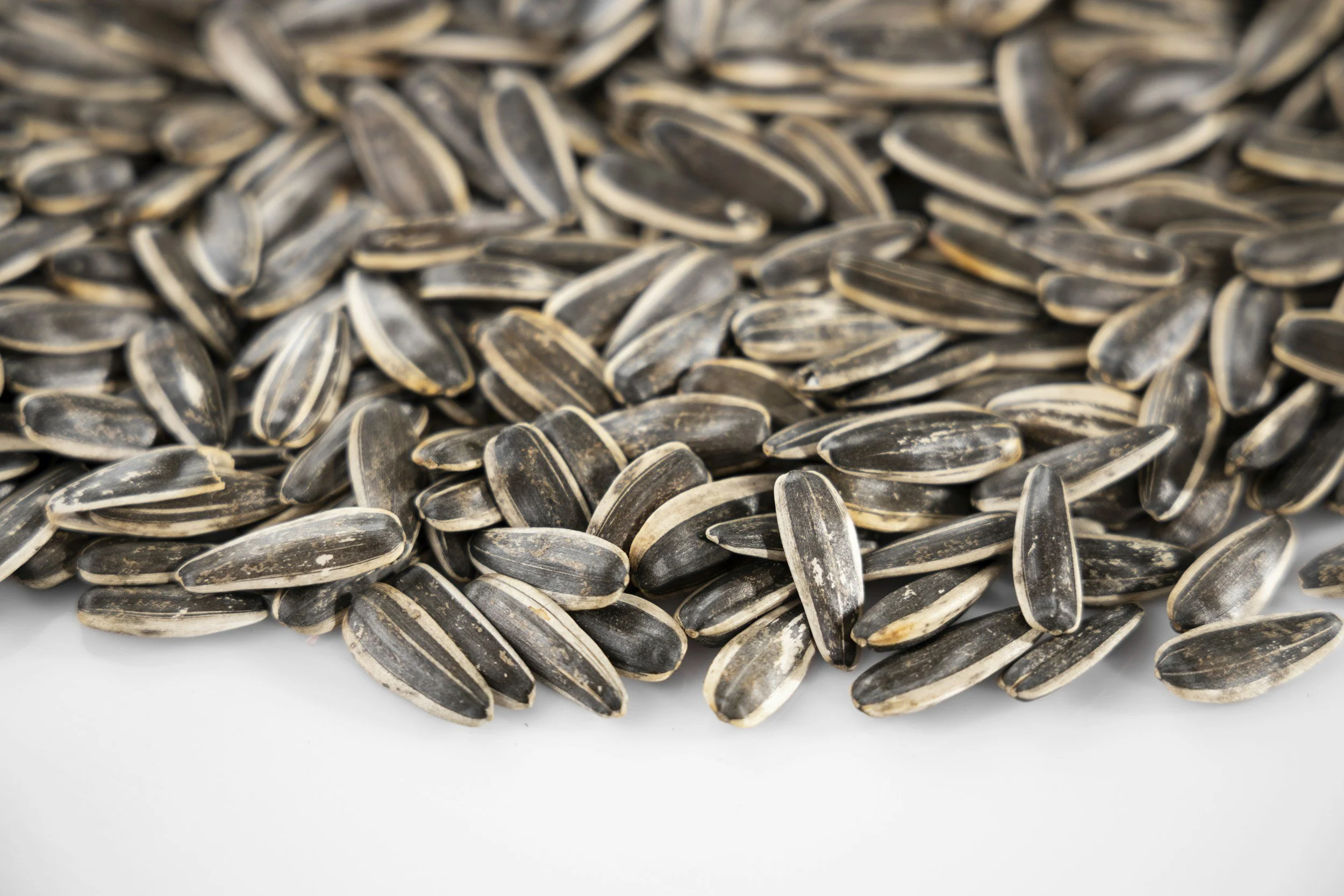
Flax, chia, pumpkin, and sunflower seeds provide fiber and essential fatty acids that stabilize hormones.
Tip:
Add them to smoothies, yogurt, or salads daily.
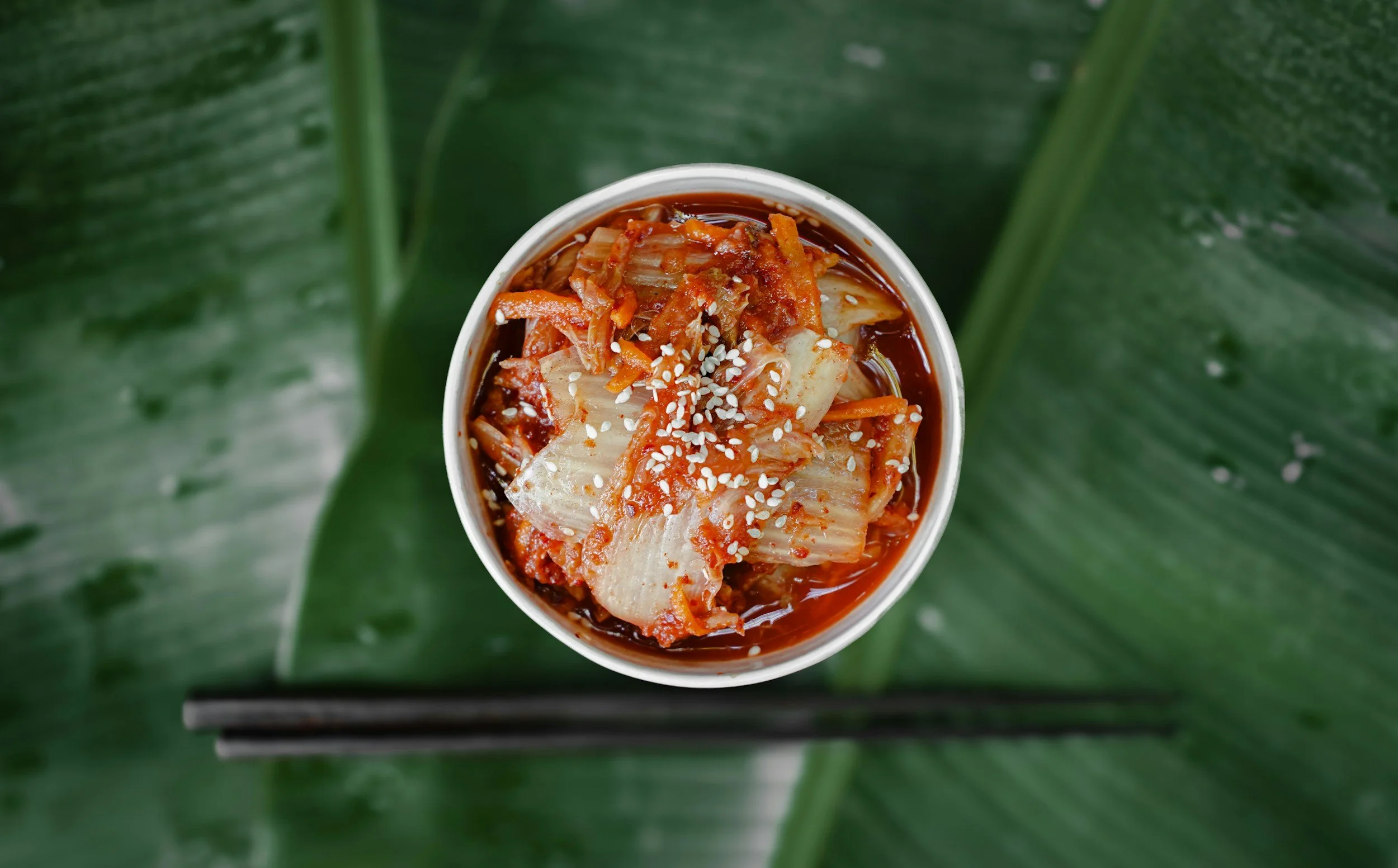
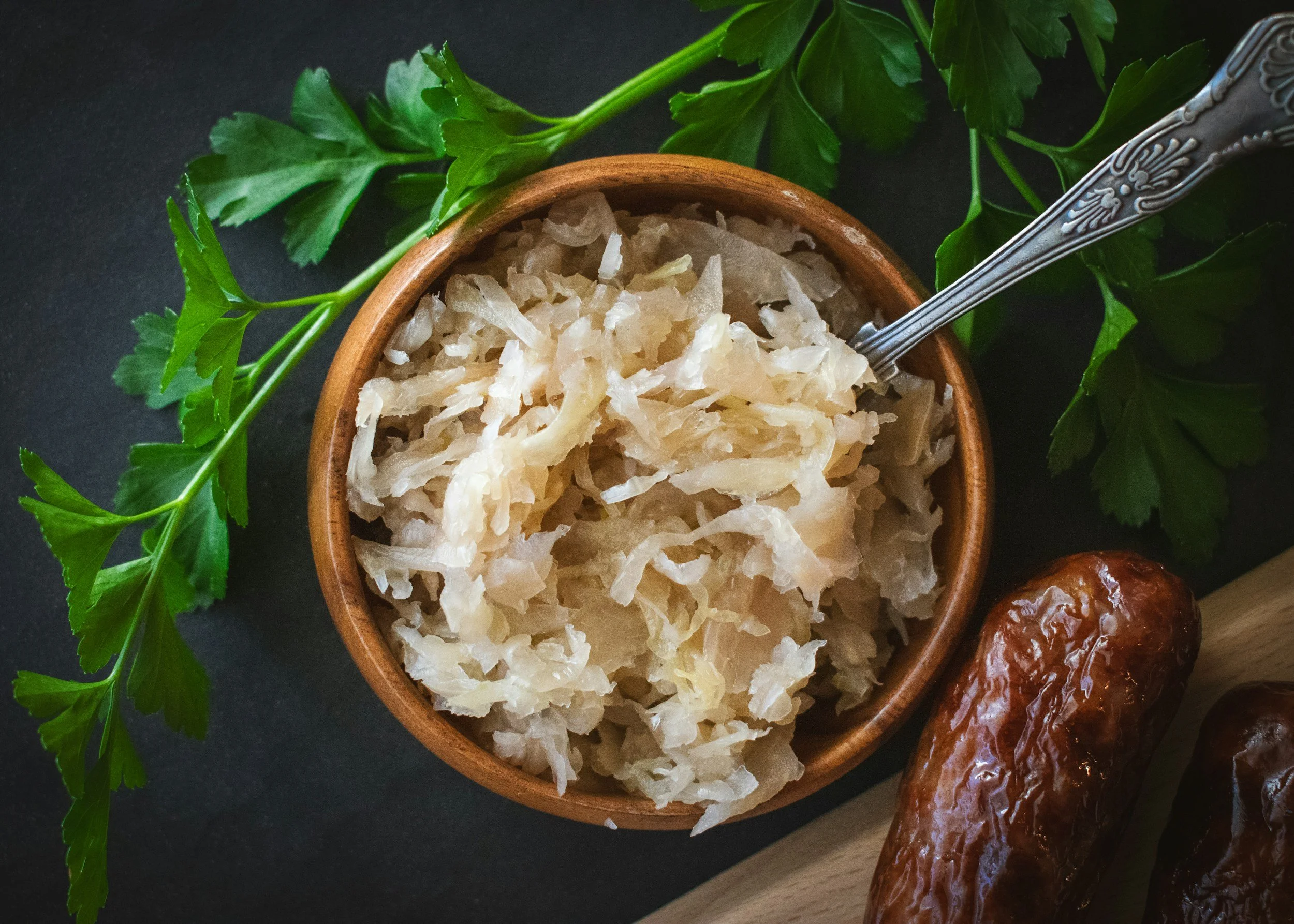
7. Fermented Foods for Gut–Hormone Health
Your gut helps regulate estrogen. When digestion is off, hormone balance often follows.
Best options:
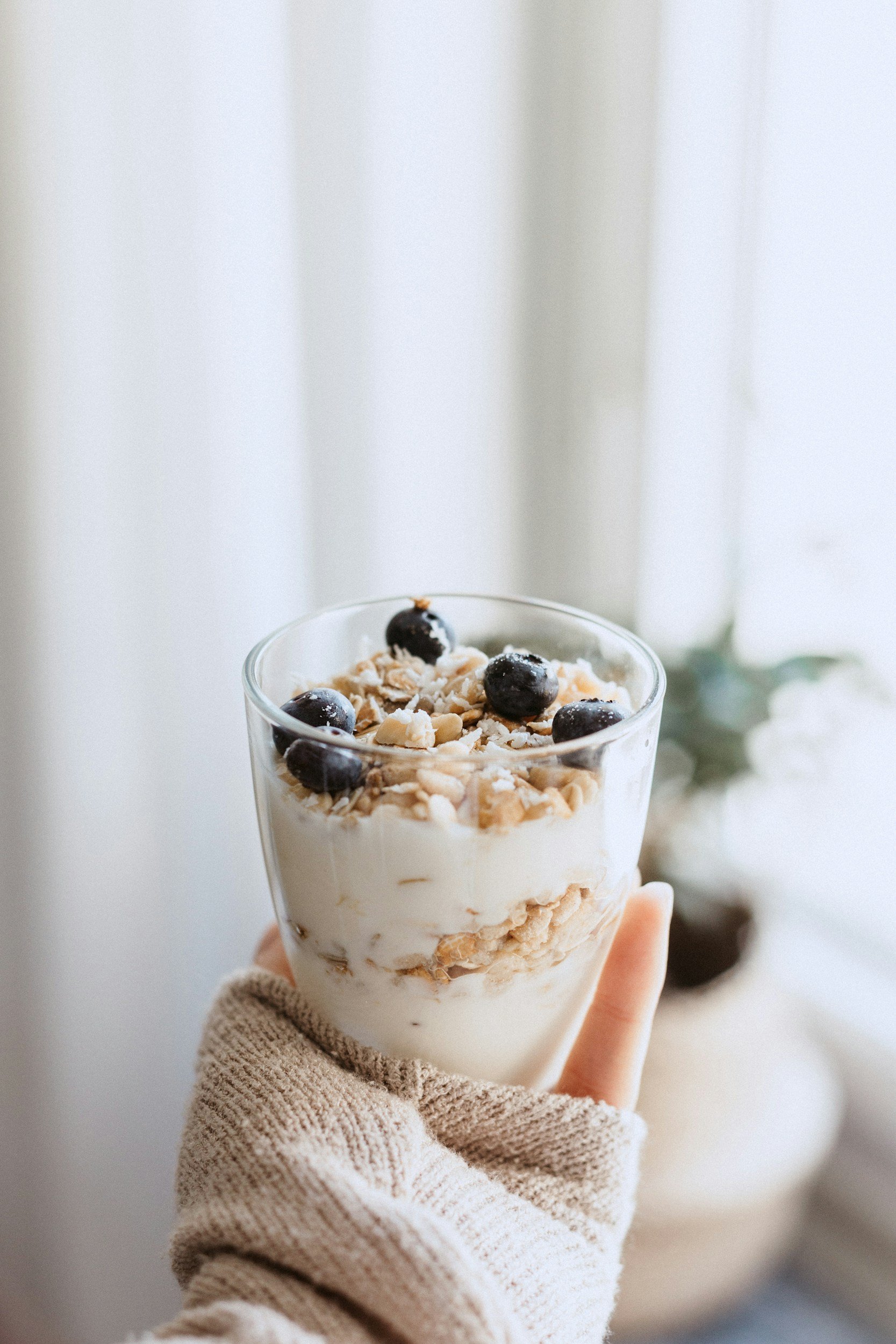
Yogurt
Kefir
Sauerkraut
Kimchi
8. Protein-Rich Whole Foods
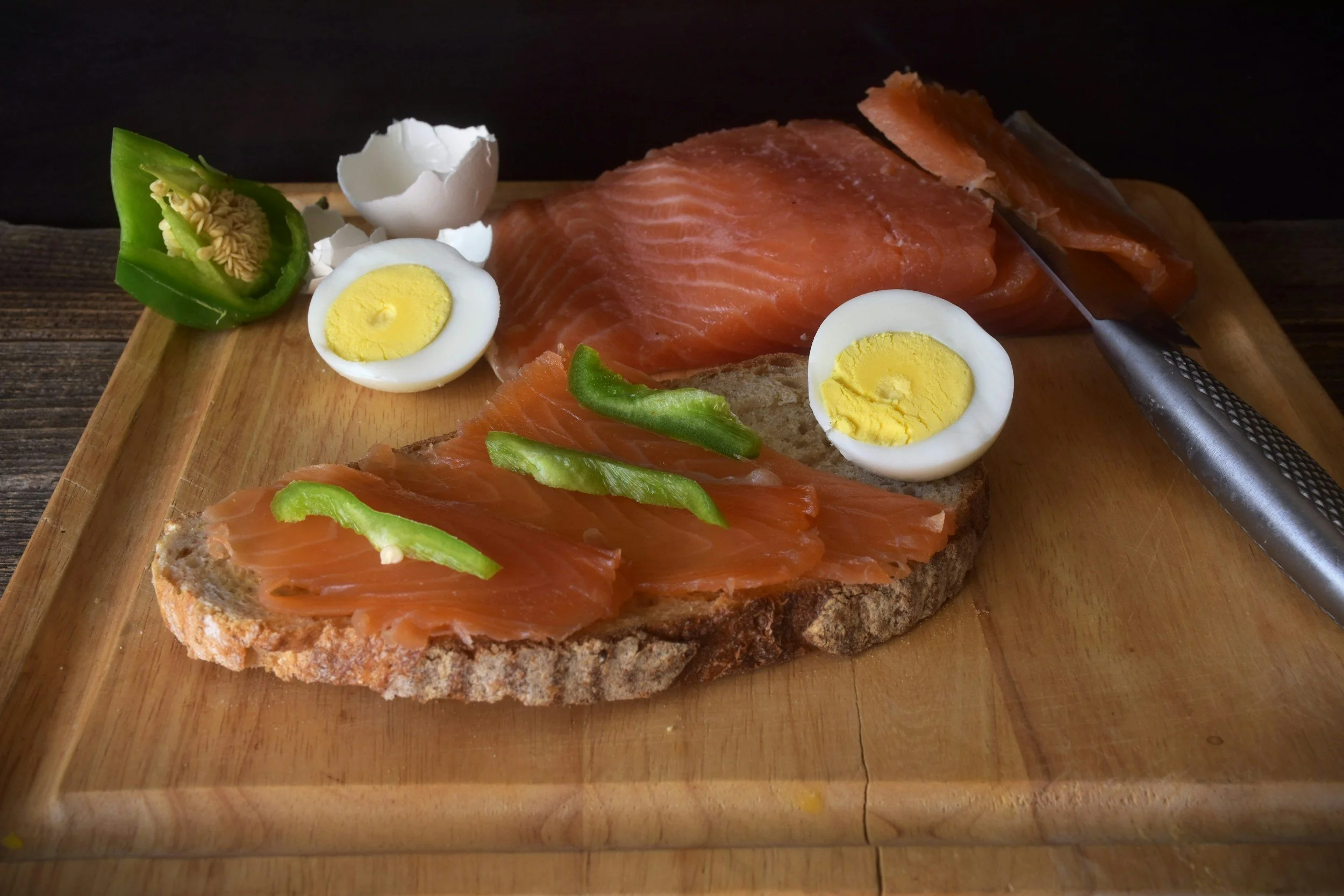
Protein stabilizes blood sugar and supports adrenal health, which influences cortisol and insulin.
Why it helps:
Reduces cravings, fatigue, and hormonal crashes.
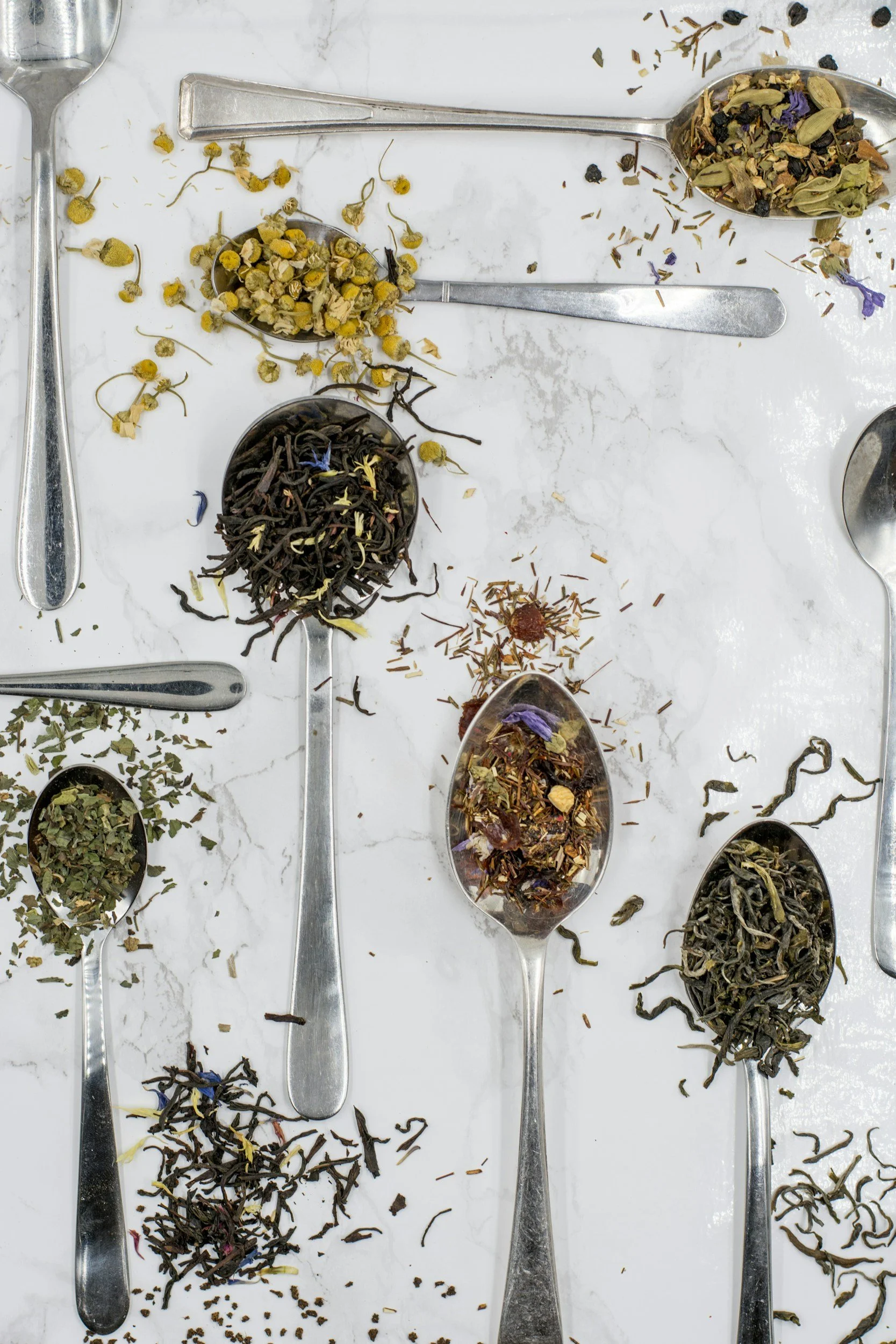
9. Herbal Teas as Daily Support
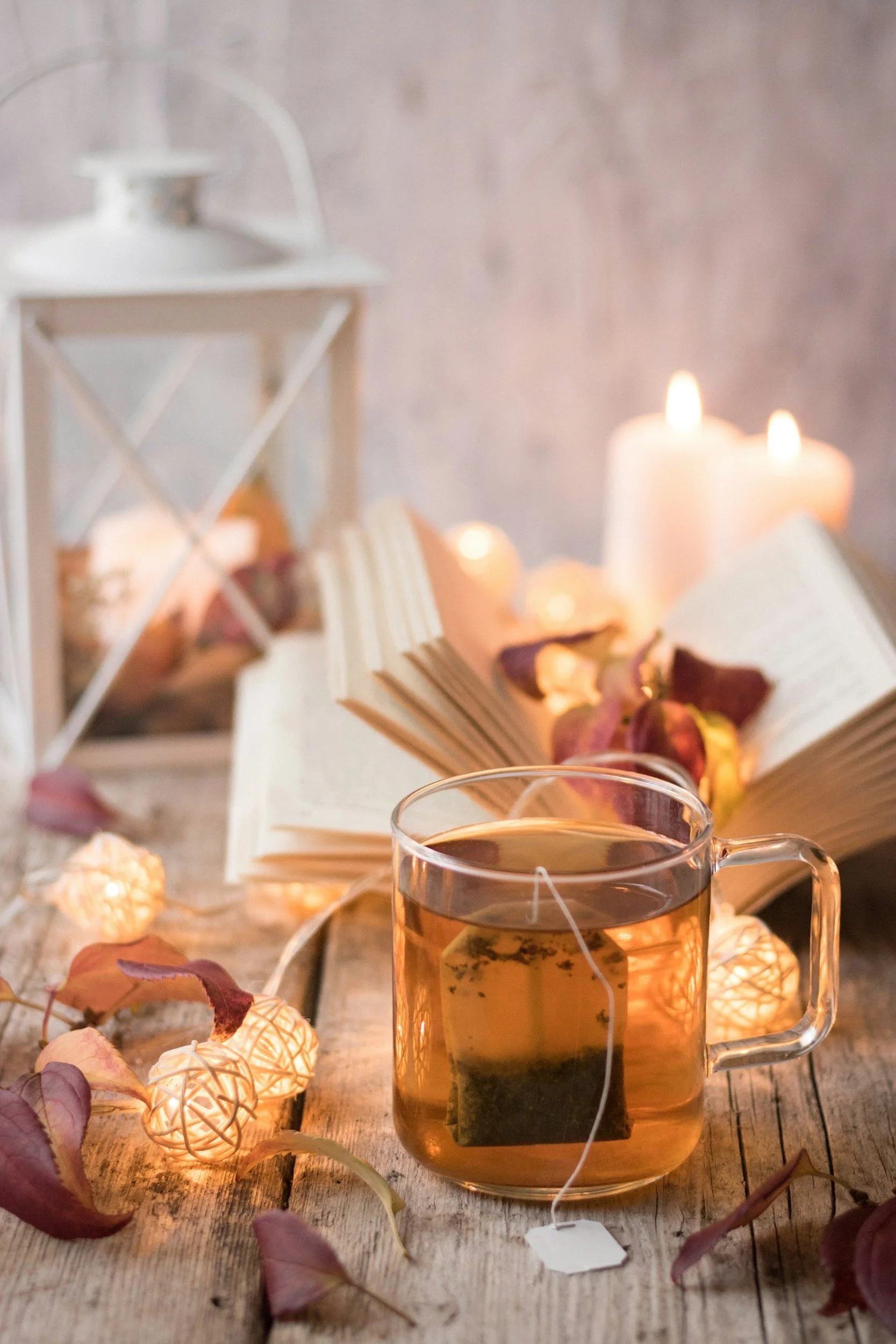
While not a juice, herbal teas gently support hormone balance.
Top choices:
Spearmint (androgen balance)
Chamomile (stress reduction)
Raspberry leaf (cycle support)
How to Build a Hormone-Friendly Daily Routine
You don’t need perfection, just consistency.
Simple daily plan:
Morning: Hormone-friendly juice + protein
Lunch: Fiber-rich vegetables + healthy fats
Snack: Seeds or yogurt
Dinner: Protein + cruciferous vegetables
Evening: Herbal tea
Small changes practiced daily can lead to noticeable improvements over time.

Frequently Asked Questions (FAQs)
1. How long does it take to see hormone balance improvements?
Most women notice changes in energy and digestion within 2–4 weeks.
2. Can hormone-friendly juices replace meals?
No. They work best alongside balanced meals, not as replacements.
3. Are these foods safe for PCOS?
Yes, many help stabilize blood sugar and reduce inflammation.
4. Should juices be homemade or store-bought?
Homemade is best to avoid added sugars and preservatives.
5. Can these foods help with PMS symptoms?
Yes, especially leafy greens, seeds, and anti-inflammatory juices.
6. Do hormone-friendly foods help with menopause?
Absolutely. They support energy, digestion, and mood during transitions.
Conclusion
Adding hormone-friendly juices + foods every woman should add to her routine doesn’t require extreme changes. By focusing on nutrient-dense juices, whole foods, healthy fats, and gut-supporting options, you give your body the tools it needs to find balance naturally.
Start with one juice or one food swap at a time. Over weeks, these small steps can lead to better energy, calmer moods, improved cycles, and long-term hormonal health.
For more science-backed nutrition insights, visit
👉 https://www.healthline.com/nutrition
🌿 My Go-To Supplements (MaryRuth’s Partner Pick)
Alongside juicing and herbal teas, I personally support my winter wellness routine with supplements from MaryRuth’s, a brand I trust and proudly partner with. Their plant-based, vegan, and liquid supplements make it easier to stay consistent during busy seasons of motherhood, training, and entrepreneurship.
If you’re looking to support immunity, energy, and overall wellness this winter, you can grab your MaryRuth’s essentials using my personal partner link below. It’s an easy way to build a wellness routine that actually fits real life.
👉 Use my link to shop MaryRuth’s and support my wellness journey
https://lvnta.com/lv_JB2rcjpFwljdasaumo